Why Labour Optimization Matters So Much in Retail Environments
Learn how labour optimisation helps retailers schedule smarter, reduce payroll waste, and improve store performance with data-driven staffing strategies.

Labour optimisation is one of the most important ways retailers can improve store performance while keeping labour costs under control. When stores schedule the right people at the right times, they create better customer experiences, stronger sales, and more efficient operations.
But many retailers still rely on manual scheduling, outdated reports, or guesswork when planning their labour.
In this guide, we’ll break down what labour optimisation is, how labour optimisation technology works, the key metrics retailers should track, and why more retail leaders are investing in smarter labour strategies. If you’re looking for ways to improve productivity, reduce wasted payroll, and run more consistent stores, labour optimisation is a good place to start.
What Is Labour Optimisation?
Labour optimisation is the process of making sure the right people are working at the right times so stores can meet customer demand without overspending on payroll. It combines scheduling, sales data, traffic patterns, and performance insights to help managers plan labour in a way that supports both customer service and profitability.
In retail, labour is often one of the largest operating costs. At the same time, staff availability directly affects sales. Too few employees on the floor leads to missed sales opportunities and poor customer experiences. Too many employees scheduled during slow periods increases labour costs without adding value.
Labour optimisation solves this balance.
The goal is simple:
Meet customer demand
Control labour costs
Support strong store performance
Take control of your store's performance
Book a demo with StoreForce today and run your retail operations better tomorrow.
Book a Demo
How Labour Optimisation Technology Works
Labour optimisation technology uses data and automation to help retailers plan staffing more accurately. Instead of building schedules manually, managers rely on software that analyzes key performance signals.
These systems typically pull in several data sources, including:
Historical sales
Customer traffic patterns
Promotional calendars
Store performance metrics
Employee availability
Labour budgets
The platform then uses this information to suggest staffing levels that match expected demand.
For example, if historical data shows that sales increase during holiday promotions, the system can automatically recommend higher staffing levels during those time windows.
Managers still maintain control of the schedule, but they now have clear guidance supported by real data.
Modern labour optimisation platforms also include tools that help stores execute the schedule effectively. These often include:
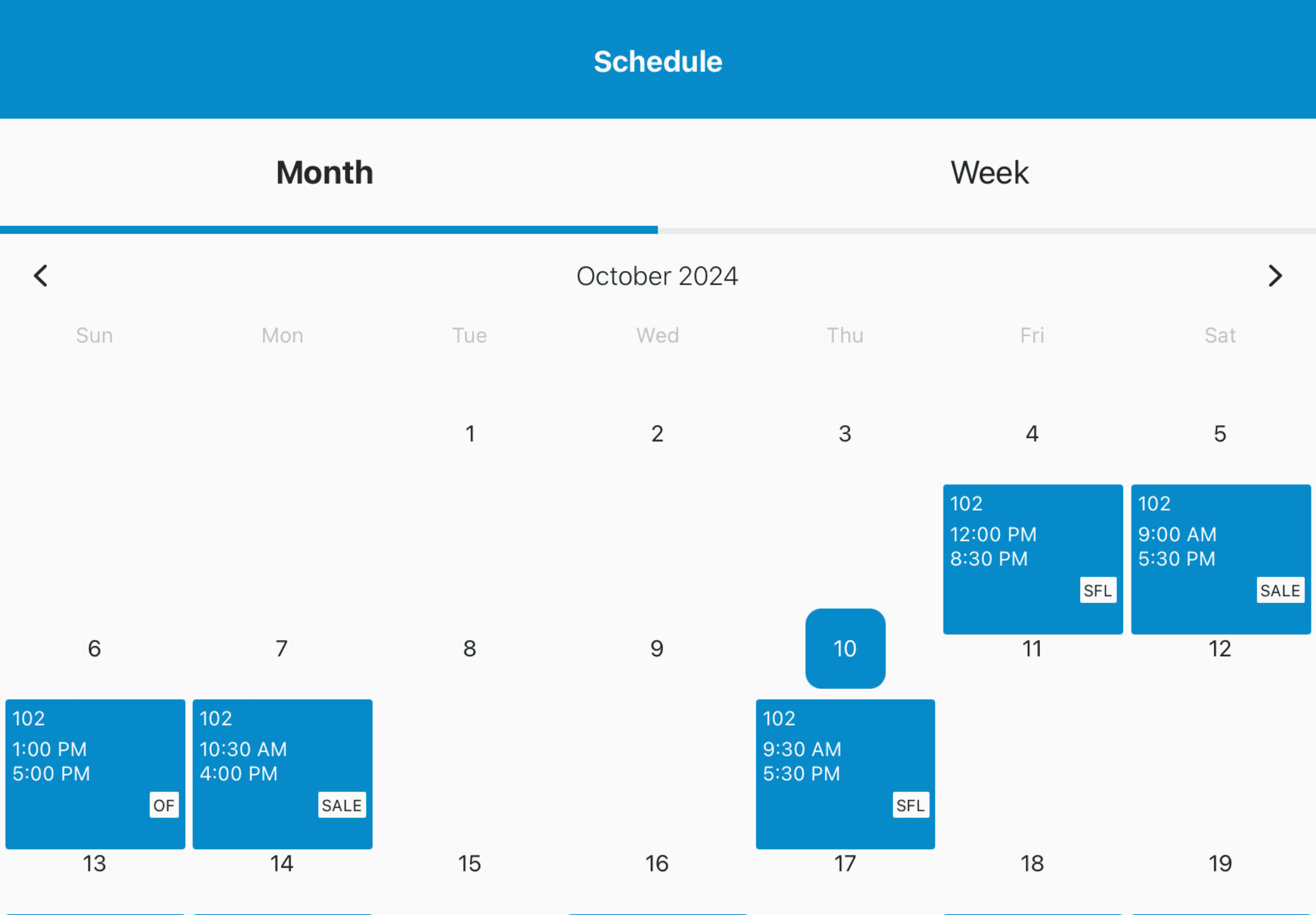
Automated scheduling
Real-time labour tracking
Performance dashboards
Labour budget monitoring
Instead of juggling spreadsheets, emails, and manual reports, store teams operate within a single system that keeps labour planning organised and visible.
Why Labour Optimisation Matters for Modern Retail Businesses
Retail has become far more competitive in recent years. Customers expect fast service, knowledgeable associates, and consistent experiences across every store.
At the same time, retailers are facing increasing pressure to control costs and operate efficiently.
Labour optimisation sits directly at the intersection of these challenges. Without a clear labour strategy, stores often experience problems like:
Overstaffed slow periods that inflate payroll.
Understaffed peak periods that lead to lost sales.
Managers spending hours building schedules manually.
Inconsistent execution across store locations.
These problems compound quickly across multi-store operations.
For example, if every store overschedules just a few hours per week, the cost adds up quickly across hundreds of locations.
Labour optimisation introduces structure and visibility. Instead of each store manager making isolated decisions, the entire organisation follows a consistent framework for scheduling and labour planning. This consistency helps retailers protect margins while still delivering strong customer experiences.
Key Benefits of Labour Optimisation
Retailers that adopt labour optimisation technology typically see improvements across several areas of the business.
Better alignment between staffing and demand
When staffing levels match customer traffic, stores operate more efficiently. Associates are available when customers need help, which leads to better service and higher conversion rates.
Lower labour costs
Overstaffing is one of the most common sources of wasted payroll. Labour optimisation helps managers schedule closer to actual demand, reducing unnecessary hours.
More productive store teams
When schedules are balanced correctly, employees are not overwhelmed during busy periods or idle during slow ones. This helps maintain steady productivity throughout the day.
Faster scheduling for managers
Manual scheduling can take hours each week. With labour optimisation software, much of the planning process is automated. Managers can build schedules faster and spend more time coaching their teams and supporting customers.
Better visibility for leadership
Executives and district managers can see labour performance across all locations in one place. This makes it easier to identify trends, spot problems early, and support stores that need help.
Labour Optimisation Metrics Every Business Is Tracking
To get the most value from labour optimisation, retailers need to monitor the right metrics. These measurements help determine whether staffing levels are aligned with business performance.
Some of the most important labour metrics include:
Sales per labour hour
This metric measures how much revenue is generated for every hour worked by store employees. A higher number typically indicates stronger labour productivity.
Labour cost as a percentage of sales
This shows how much of a store’s revenue is being spent on payroll. Retailers often use this metric to ensure labour costs remain within acceptable targets.
Conversion rate
Conversion rate tracks the percentage of store visitors who make a purchase. If conversion drops during busy periods, it may indicate that the store is understaffed.
Units per transaction
This metric measures how many items customers purchase per sale. Adequate staffing can help associates provide better product guidance and increase basket size.
Schedule adherence
This tracks whether employees are working the hours they were scheduled. High adherence helps maintain accurate labour planning.
Monitoring these metrics helps retailers continuously improve their labour strategy and adjust staffing plans based on real performance data.
The ROI of Labour Optimisation Technology
Labour optimisation technology often produces measurable financial returns for retailers.
Because labour represents such a large portion of store operating costs, even small improvements can create major savings.
For example, reducing unnecessary labour hours by just a few percentage points across multiple locations can translate into substantial annual savings.
At the same time, better staffing during peak demand periods can increase revenue by improving service and reducing missed sales opportunities.
Retailers also benefit from operational efficiencies.
Managers spend less time building schedules, reviewing spreadsheets, and adjusting staffing manually. This gives them more time to focus on leading their teams and improving store performance.
When these improvements are combined, labour optimisation technology often pays for itself quickly through a mix of cost control and increased sales.
Core Components of a Labour Optimisation Strategy
A strong labour optimisation strategy combines technology, data, and clear operational processes.
Several core elements typically make up an effective approach.
Demand forecasting
Stores need a clear understanding of when customers are likely to shop. Forecasting tools analyse historical sales and traffic data to predict demand patterns.
Intelligent scheduling
Once demand is forecasted, scheduling tools assign employees to the shifts where they are needed most.
Real-time performance tracking
Managers need visibility into how labour is performing during the week. Dashboards allow them to see whether stores are meeting productivity targets.
Task management
Retail associates often juggle multiple responsibilities beyond serving customers. Task management ensures that operational duties such as merchandising, inventory checks, and store standards are completed efficiently.
Cross-store visibility
Multi-location retailers benefit from seeing labour performance across all stores. This helps leadership maintain consistent operations and quickly identify improvement opportunities.
Labour Optimisation Vs Workforce Management
Labour optimisation and workforce management are closely related, but they are not the same thing.
Workforce management is a broader category that includes tools for managing employees. This often includes scheduling, time tracking, payroll integration, and compliance management.
Labour optimisation focuses specifically on how labour hours are allocated to support business performance.
In other words:
Workforce management manages employees
Labour optimisation manages labour strategy
Many traditional workforce management tools focus heavily on administrative tasks such as tracking hours or processing payroll.
Labour optimisation platforms place more emphasis on performance insights, demand forecasting, and aligning staff coverage with sales opportunities.
Retailers benefit most when these two functions work together within one system.
Frequently Asked Questions About Labour Optimisation
Is labour optimisation only for large retailers?
No. While large retail chains often adopt labour optimisation early, businesses of all sizes can benefit. Even a small group of stores can reduce payroll waste and improve service by aligning schedules with customer demand.
Does labour optimisation replace store managers?
No. Managers remain responsible for their teams and schedules. Labour optimisation software simply gives them better data and tools to make informed decisions.
How long does it take to see results?
Many retailers begin seeing improvements within the first few scheduling cycles. As more data is collected, forecasting and scheduling recommendations become even more accurate.
Does labour optimisation only affect scheduling?
Scheduling is a major part of it, but labour optimisation also influences productivity, sales performance, and overall store execution.
Is labour optimisation difficult to adopt?
Modern platforms are designed to fit naturally into retail operations. With the right system in place, store teams can quickly adapt and begin benefiting from better visibility and scheduling support.
Why StoreForce is Your Best Option for Labour Optimisation
StoreForce was built specifically for retail operations. It combines labour planning, scheduling, task management, and performance tracking into one system designed for store teams.
Instead of relying on disconnected tools, StoreForce gives retailers a single platform that connects daily store execution with labour planning.
With StoreForce, retailers can:
Align staffing with customer demand
Build smarter schedules faster
Track labour performance across every location
Keep store teams focused on the right tasks
Maintain consistency across the entire organisation
Managers gain clear visibility into store performance while corporate teams can monitor labour metrics across all locations in real time. This combination helps retailers control labour costs while still delivering strong in-store experiences for customers.
For retailers looking to improve store performance, labour optimisation is one of the most practical areas to start. StoreForce makes that process simple, structured, and measurable.
If your organisation is ready to take a more strategic approach to labour planning, booking a demo with StoreForce is the next step toward building more efficient and consistent retail operations.

See How StoreForce Can Work for Your Stores
See how StoreForce brings employee scheduling, labour optimisation, task management, and store execution together in one retail workforce management platform. Book a demo today to see what StoreForce can do for your teams.
Speak To A Retail Expert


