StoreForce AI
Company
Careers
Book a Demo
StoreForce Named Nucleus Leader
Explore StoreForce 3.0
Why StoreForce
Solutions
Retail Segments
Resources
Teams
Book a Call
Labour Optimisation
Retail Insights
Task Management& Retail Operations
Employee Engagement& Communication
Finance
Executive Leadership
IT Teams
HR Teams
Merchandising
Operations
Speciality Retail
Department Stores
Grocery
Convenience
Chemist
Compare spreadsheets and automated software for tracking retail labour productivity, including cost, flexibility, real-time visibility, accuracy and scalability.
Learn how retail scheduling software uses historical sales data, demand patterns and other inputs to forecast future staffing requirements.
Community Conference 2026 was ultimately about looking forward: at where retail is headed, what frontline teams need to succeed, and how retailers can better connect their people, performance, labour and execution.
Learn how retailers can turn reporting into better decisions, stronger store execution and measurable performance by focusing on what happens after the report.
Discover what Gen Z retail workers want from frontline work and how greater visibility, predictability and flexibility can improve the employee experience.
The goal is not to give managers every possible answer. It is to help them spot the right question sooner and give them enough context to decide what to do next.
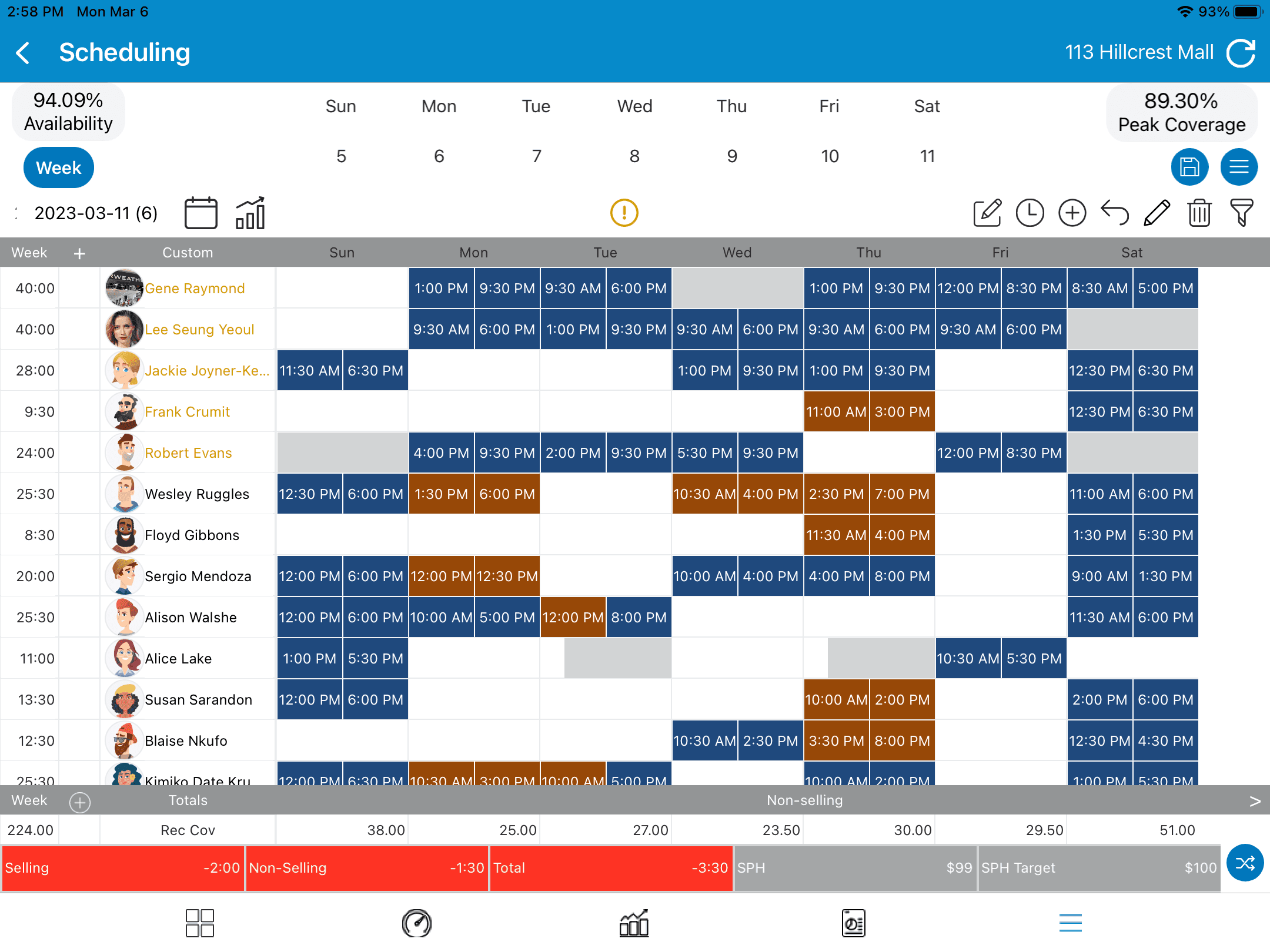
Learn how automated scheduling impacts retail operations by improving coverage, reducing manager administration and helping store teams work more efficiently.
Task Management
Don't buy small-business software you'll quickly outgrow. Don't buy enterprise complexity you don't need. Choose software that solves the operational complexity you have now and can scale with what comes next.
Learn the benefits of connecting retail store audits with task management, from faster issue resolution and clearer ownership to better execution visibility.
Learn what granular staff performance reporting looks like in retail and how detailed workforce data can support better performance analysis and coaching.
Learn how retailers can manage store tasks, flexible shift scheduling and task progress in one connected workforce management platform.
Compare standard shift planning software with workforce platforms that connect employee scheduling with retail store performance analytics.
Learn how to choose workforce management software for large retail chains, from scheduling and labour optimisation to task execution and performance.
The value of data-driven scheduling isn't just using data to build the schedule. It's using performance data to understand whether the schedule worked — and applying what you learn to the next workforce plan.
Modern retail management systems can use automated alerts to identify changes, exceptions and upcoming requirements and bring them to the attention of the appropriate employee or manager.
The goal isn't to schedule the fewest possible labour hours. It's to make the best use of the labour hours available.
Modern retail systems use real-time data to give frontline teams and their managers greater visibility into what is happening in the store while there is still time to act.
Learn how integrated workforce management software simplifies complex retail staff schedules by connecting labour, demand, availability and store workload.
A checklist can provide a useful way to organise work. An integrated workforce platform goes further by connecting store execution with the people, labour and performance information surrounding that work.
Having enough employees available isn't the same as having them available when customers need them.
Employee Engagement
For retailers, productivity means making the best use of the people and labour hours available. That requires having the right employees in the right place at the right time
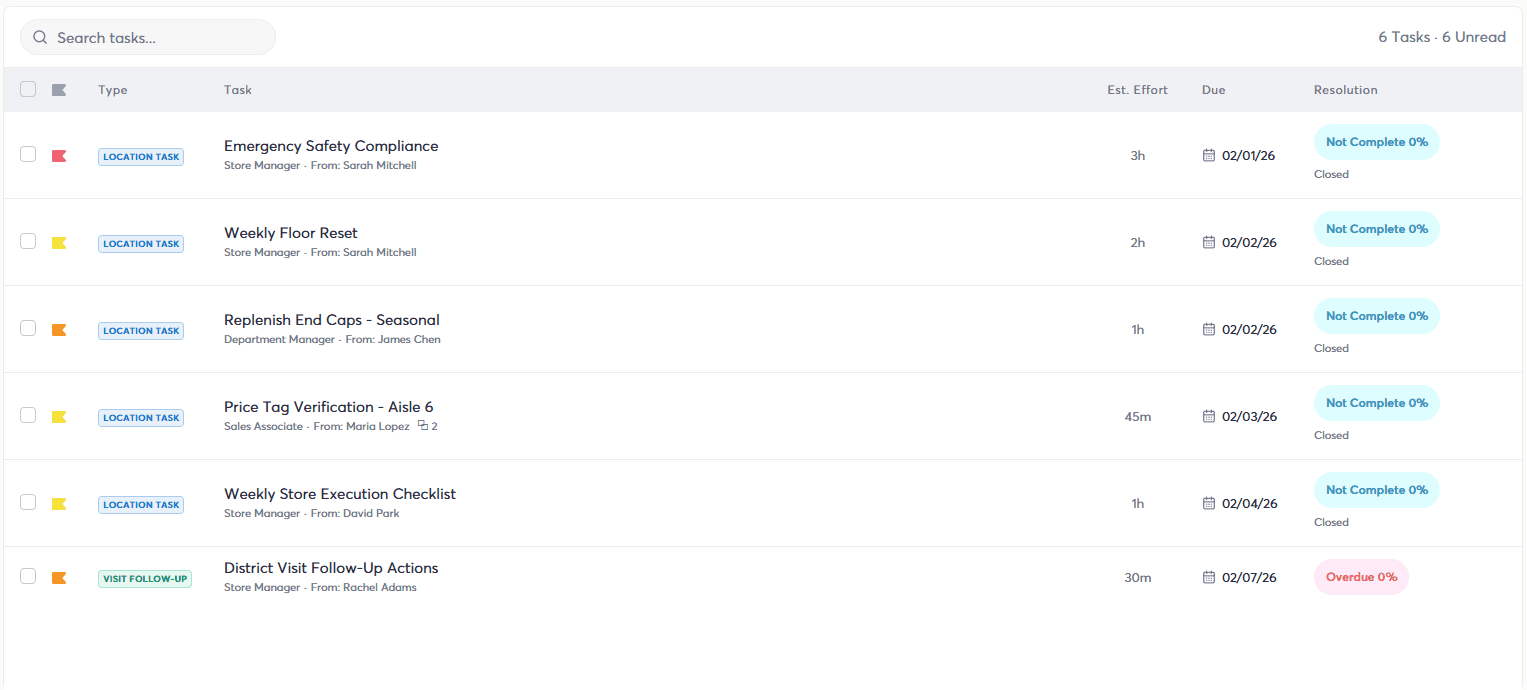
StoreForce lets retailers assign and track daily store tasks while also managing employee schedules, labour hours and time and attendance within the same retail workforce management platform.
For larger and multi-location retailers, StoreForce is our top choice because it connects intelligent scheduling with task management, labour optimisation, store communications and performance visibility.
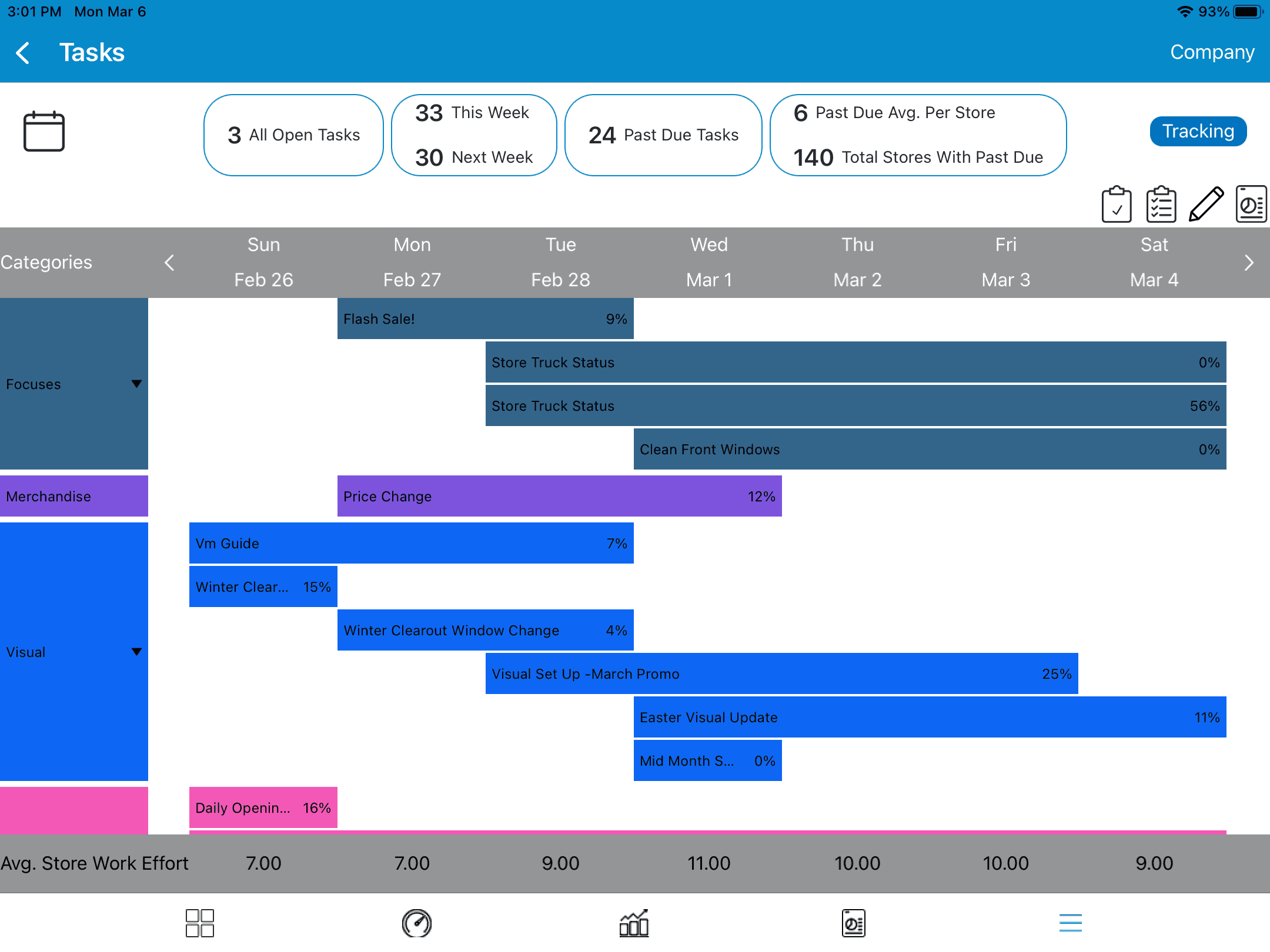
Retailers need to know whether the right work reached the right stores, whether it was completed when required and where teams may be falling behind or need additional support.
The trade-off largely comes down to immediate simplicity and lower cost versus scalability, automation and greater insight into staffing decisions.
Simplicity is not necessarily about having fewer capabilities. It is about bringing the information needed to make scheduling decisions together so managers do not have to piece it together themselves.
Learn what large retail chains should look for in a shift planning platform, from labour budgets and traffic to weekly tasks, KPIs, and employee performance.
A simple platform for organising store staff routines should make recurring work easy to plan, repeat, assign, and track. More importantly, it should give frontline teams a clear routine they can follow without adding more administrative work to their day.
The best basic retail scheduling apps connect staff hours to the decisions managers make every day.
See how StoreForce brings retail staff scheduling and store task management into one platform to improve labour planning and give teams a clearer plan for every shift.
Compare standalone retail task management apps with workforce management suites and see why connecting tasks, scheduling, labour planning, and store operations in one system can help retailers reduce complexity and improve execution.
Retailers today are expected to launch promotions faster, deliver consistent customer experiences, and manage stores across multiple locations. None of that happens through task lists alone.
The goal is simple: schedule enough associates to deliver a great customer experience without overspending on labour during slower periods.
This guide explains what retail operations are, why they matter, the challenges retailers face today, and practical ways to improve performance across every location.
This guide explains what a store performance dashboard is, what metrics matter most, and how retailers can use dashboard data to improve store performance every day.
This guide explains what a retail associate engagement solution is, what features actually matter, and how retailers can build a workplace where associates want to stay, perform, and grow.
The retailers that consistently deliver exceptional customer experiences aren't simply hiring friendlier associates or offering bigger discounts.
The highest-performing retailers understand that sales are influenced by far more than pricing and promotions.
In this guide, we'll explain what retail conversion rate is, how to calculate it, what benchmarks to watch, and why the highest-performing retailers treat conversion as an operational metric instead of just a sales KPI.
The most effective retailers do not track every available metric. Instead, they focus on a core group of KPIs that provide visibility into four critical areas of the business
By centralising communication, scheduling, task management, labour planning, and performance visibility, retailers can create more consistent employee experiences across every location.
In this article, we'll explore what employee churn is, why it matters, the warning signs retailers should watch for, and how improving the employee experience can help reduce turnover across the organisation.
When employees feel informed, supported, and connected to their work, engagement becomes a natural outcome rather than something organisations need to force.
The most successful retailers understand that store management is not a collection of separate responsibilities. It is a connected system where people, operations, and performance work together to create consistent results.
Some solutions focus only on scheduling. Others help retailers connect staffing decisions to store execution, employee performance, and business results. This guide covers what retail staffing software does, the problems it solves, and what to look for when evaluating solutions.
The most successful retailers are not simply collecting information. They are using data to make smarter decisions, improve execution, and create more efficient store operations.
The most successful retailers take a different approach. Rather than reducing labour across the board, they focus on improving labour efficiency. By making better workforce decisions, retailers can control costs while supporting productivity, customer experience and revenue growth.
With labour representing one of the largest operating expenses for most retailers, improving sales per labour hour can have a direct impact on revenue, profitability, and overall store performance.
More often, the breakdown happens between planning and execution. Corporate teams create merchandising standards, but stores struggle to execute them consistently.
For retailers managing multiple stores, effective retail store communication is not just about sharing information. It is about making sure every location is aligned, informed, and working towards the same goals.
In this guide, we'll look at the biggest operational challenges retailers face, practical ways to improve store performance, and the trends shaping the future of retail operations.
In this guide, we'll compare the best retail task management software platforms for 2026 and help you find the right solution for your business.
In this guide, we'll cover 12 proven strategies that help businesses improve employee productivity and create a more effective workplace.
Here are seven proven retail execution strategies that help retailers improve consistency, increase productivity, and deliver a better customer experience.
Learn how to create a work schedule for employees step by step. See what managers should consider and how scheduling software like StoreForce helps.
A shift schedule maker can build basic staff schedules, but retail teams need more. Learn why many businesses are moving beyond generators and templates to smarter scheduling tools.
Learn how labour management software helps retailers control labour costs, schedule staff, improve productivity, and increase store profitability.
Learn how employee scheduling software for multiple locations helps retailers organise shifts, control labour costs, and manage staff across every store.
Learn how retail employee scheduling software improves staffing, reduces labour costs, and helps stores run smoothly. Explore key features, benefits, and best practices.
Employee scheduling software helps teams plan shifts, control labour, and stay organised. Learn the key features, benefits, and how it improves team performance.
In this guide, we'll break down practical strategies for managing hourly employees more effectively.
Learn what labour planning is and how retailers use data, forecasting, and smarter scheduling to improve staffing, control labour costs, and boost store performance.
Learn how labour optimisation helps retailers schedule smarter, reduce payroll waste, and improve store performance with data-driven staffing strategies.
How Labour Forecasting Software Helps Retailers Control Labour and Protect Margins
Explore 3 real-world workforce planning examples that show how businesses forecast talent needs, close skill gaps, and plan for growth.
Explore the top workforce management trends transforming hiring, scheduling, compliance, and productivity.
Discover 11 proven ways retail workforce management can deliver ROI within your business.
Discover 8 proven workforce optimisation strategies to boost productivity, reduce costs, and improve employee performance across your organisation.
Learn how data-driven insights improve scheduling, boost performance, and drive smarter retail decisions.
Learn what workforce forecasting is, how it works, and why businesses use it to plan staffing, control labour costs, and meet demand.
Learn what mobile workforce management is, how it works, key benefits, challenges, and the tools businesses use to manage remote and field teams effectively.
This report highlights six operational focus areas where sharper metrics and real-time visibility can unlock measurable gains.
Learn how to turn forecasts into real-time store execution with connected data, dynamic labour alignment, and faster inventory moves.
Retail KPI monitoring helps leaders spot problems early. It is not about collecting more data. It is about acting on the right signals at the right time.
The goal of 90 percent peak coverage is not about chasing perfection. It is about focus.
Non-Selling Labour is quietly eroding selling coverage across retail fleets. Learn how activity-based planning protects peak hours, improves visibility, and prevents costly misalignment between selling and task work.
Collecting numbers is not the same as using them. The retailers that win are the ones that break down silos.
The Missed Opportunities Report helps specialty retail leaders analyse daily conversion trends, uncover performance gaps, and turn weekly averages into actionable insights that drive smarter coaching, stronger execution, and consistent store wins.
AI in retail is shaping the future, but execution drives results. Learn how StoreForce helps specialty retailers turn strategy into action with real-time data, smarter labour planning, and consistent store performance.
When structured properly, store visits are one of the most direct ways to improve performance across a retail network.
Real opportunity sits on the sales floor, in the form of people who could lead your business tomorrow.
Future leaders show themselves long before a new title appears on their badge. The job of an executive is to know what to watch and what to measure.
Here are the most common retail execution problems sales reports miss, the KPIs that reveal them, and what leaders can do to address them before peak season pressure exposes the cracks.
Retailers that treat January as a reset point, not a recovery period, tend to perform more consistently all year.
Retail execution platforms help retailers reduce the cost of overbuying with faster markdown execution, real-time visibility, and smarter inventory control that protects margin and accelerates sell-through.
Retail Time Management strategies that help store leaders protect golden hours, coach in real time, run focused huddles, and drive sales
Labour Banding uses store level data to group locations with similar characteristics.
When sales, labour, and ratio targets are aligned, stores move from reacting to results to managing them in real time.
When audits are structured well and tied to action, they become one of the strongest tools a retailer has to protect its brand
Struggling with inconsistent execution, missed tasks, or poor visibility? See the 8 retail execution problems StoreForce helps solve and how to fix them fast.
Think your stores are ready for peak? Discover 10 clear warning signs that execution is slipping and learn how to fix gaps
Shift-based hiring helps retailers align labour to real-time demand, reduce costs, and improve flexibility without losing structure or accountability.
Discover how better planning, real-time visibility, and focused priorities help them lead more effectively.
Retail organisations are very good at assigning work. Task assignment is a core part of retail task management, but completion often lags behind.
Learn how to build proven peak season retail readiness every year with smarter scheduling, clear priorities, and real-time performance visibility that keeps stores focused and profitable.
Retail visual SOP improves store execution with clear, image-based standards that reduce errors, speed up tasks, and drive consistent results across every location.
Virtual Field Management helps retailers replace travel-heavy oversight with real-time dashboards, digital coaching, and consistent KPI tracking to boost employee engagement in retail and drive performance across every store.
Discover how real-time coaching improves retail performance, increases sales, boosts engagement, and drives measurable ROI
Learn how flexible labour strategies help companies retain top talent, reduce turnover, and build a more engaged and resilient workforce.
Learn how to keep retail teams aligned during summer hiring with practical strategies that improve scheduling, communication and store performance
Store managers rarely set out to run reactive shifts. The pace of retail makes reaction easy and planning harder. When operations support clarity and timely insight, managers can spend more of their day leading people and less time responding to problems. The difference shows up in execution, morale, and long-term performance.
Here’s how to create a smarter retail schedule that aligns with customer flow, reduces labour waste, and improves store performance.
Discover strategies for creating a versatile store associate skilled in sales, service, merchandising, and problem-solving in today’s retail environment.
Learn how smarter staffing, real-time visibility, and focused execution turn busy periods into higher sales and stronger results.
Discover how pooling labour enhances customer experience in retail by improving coverage, aligning staff to demand, and ensuring the right associates are in the right place at the right time.
Learn how to choose the best retail workforce management software in 2026. Compare features, costs, and ROI to find the right solution for your stores.
A complete guide to the best workforce management software in 2026. In this guide, we look at what the best workforce management software entails, how it all works and why it's such a necessity.
See how StoreForce connects your people, data, and execution,
turning everyday retail into exceptional results.
4.9 Rating StoreForce ESS
Sign Up
Stay up to date with the latest in retail execution.
StoreForce is built by retailers for retailers. Speak with our team to improve store performance
and uncover missed revenue opportunities across your stores.
Speak to a Retail Expert
Stay up to date with StoreForce