Virtual Field Management: How to Replace Travel in Retail
Virtual Field Management helps retailers replace travel-heavy oversight with real-time dashboards, digital coaching, and consistent KPI tracking to boost employee engagement in retail and drive performance across every store.
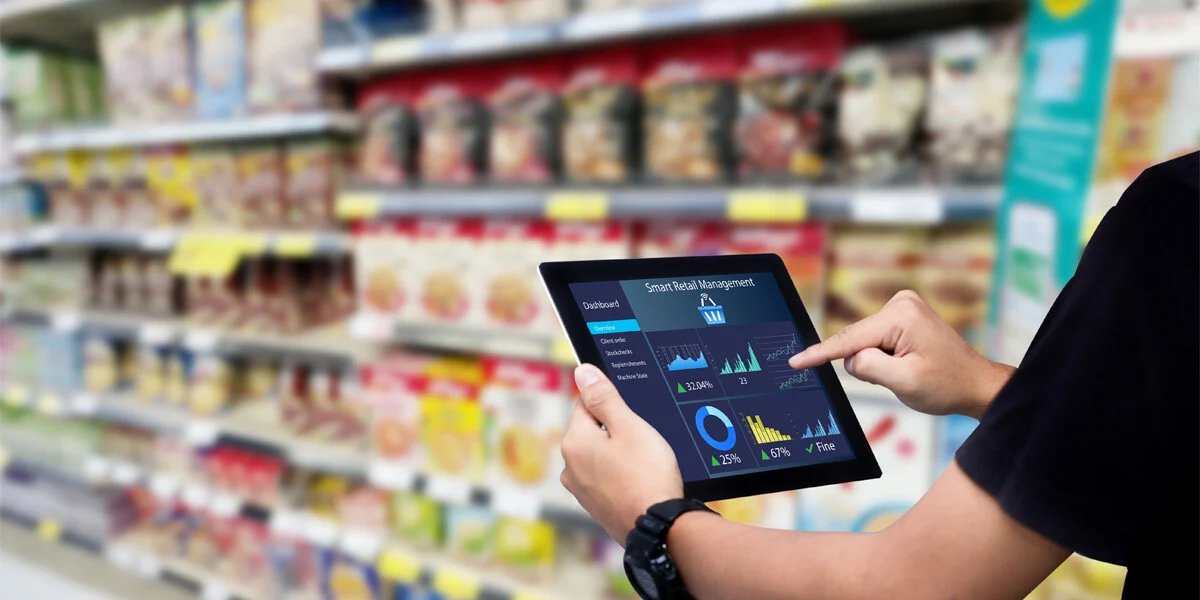
Retail has changed faster in the past five years than in the previous twenty. Field leadership has had to change with it. Travel budgets are tighter, store networks are wider and expectations for speed are higher. The old model of visiting a handful of stores each week no longer matches the pace of modern retail.
That is why retailers are turning to virtual field management to keep stores aligned, empowered, and performing. Traditional field oversight does not scale efficiently. Fewer in person visits mean fewer natural touchpoints for coaching, recognition, and course correction.
Virtual field management gives leaders a way to stay closely connected to frontline teams without being physically present. A Virtual Field Manager combines coaching, recognition, and real time oversight to support every store, every day.
The result is stronger employee engagement in retail and more consistent operational performance across regions.
What is "The Virtual Field Manager"?
The traditional model relied on travel. A field leader could realistically visit five stores a week. Feedback was often delayed. Performance issues could sit for days or weeks. Recognition depended on the next visit.
A Virtual Field Manager changes that equation. By using shared dashboards, structured task systems, and frequent digital check ins, leaders can:
Provide timely coaching without travel delays
Ensure compliance and consistency across regions
Strengthen morale and engagement
Scale oversight without adding headcount
Performance no longer depends on physical presence. It depends on visibility and clarity.
A Virtual Field Manager is not just a new title. It is a new way of working. Instead of occasional store walks, virtual leaders:
Monitor performance dashboards in real time
Connect with store managers through structured digital check ins
Reinforce accountability across tasks and KPIs
Recognize wins consistently across locations
They act as a connector, coach, and performance driver. Every store knows what matters, how they are tracking, and where to focus next.
Take control of your store performance
Book a demo with StoreForce today and run your retail operations better tomorrow.
Book A Demo
The five core roles of a Virtual Field Manager
1. Remote compliance champion
Consistency is one of the hardest things to protect across multiple locations.
Virtual leaders use structured task management and digital follow ups to ensure standards are met. Compliance becomes part of daily execution, not something checked only during visits.
2. Virtual recruiter
Recruiting used to rely heavily on in person networking. Virtual leaders expand the search through digital tools, referral programs, and structured hiring processes that can be reviewed remotely.
This keeps talent pipelines active across every store, not just those visited recently.
3. Digital coach
Coaching works best when it is frequent and specific.
With real time metrics, leaders can spot trends quickly and step in with targeted feedback. Short, focused virtual sessions replace long gaps between visits. Best practices can be shared across stores immediately.
4. Virtual motivator
Recognition should never wait for the next trip.
Virtual leaders use digital recognition boards, leaderboards, and internal communication channels to celebrate wins. When one store excels, the entire region sees it. That visibility builds pride and healthy competition.
5. Data-driven performance partner
A Virtual Field Manager relies on live performance data to guide action.
Metrics such as Sales per Hour and Traffic per Labor Hour are tracked consistently. Leaders can see where labor alignment needs attention, where sales are outperforming expectations, and where execution gaps exist.
Accountability becomes clear and objective. Store teams understand both expectations and results.
Tools and strategies that amplify field impact
Virtual leadership works when it is supported by strong systems and clear processes. Real-time dashboards give visibility into sales, traffic, labor, and compliance. KPI tracking ensures metrics are measured consistently across all stores. Frequent virtual coaching sessions replace delayed feedback cycles. Peer mentoring programs connect high performing stores with those that need support. Recognition boards highlight wins and reinforce the behaviors that matter most. When these elements work together, field leadership becomes proactive instead of reactive.
Before and after: How the role has changed
Before Virtual Field Management, oversight was limited by geography. A leader might visit five stores in a week. Coaching was delayed. Performance gaps could widen before anyone addressed them. Recognition often felt inconsistent.
Now, a Virtual Field Manager can connect with twenty or more stores in a single day.
Dashboards flag issues immediately. Coaching can happen the same day. Recognition is shared broadly and consistently. Alignment improves because expectations are visible to everyone.
The difference is speed and consistency.
What retail leaders should remember
Virtual field management is not about replacing leadership. It is about extending it.
It delivers consistent execution without the travel burden.
It combines coaching, motivation, and compliance into one connected role.
It turns real time data into practical support.
It strengthens morale through frequent recognition and clear accountability.
Retailers that embrace virtual field leadership give their stores something powerful: steady guidance, clear expectations, and daily support that keeps performance on track across every location.

See How StoreForce Can Work for Your Stores
See how StoreForce brings employee scheduling, labor optimization, task management, and store execution together in one retail workforce management platform. Book a demo today to see what StoreForce can do for your teams.
Speak To A Retail Expert


