Kipling Unlocked $1M in Revenue and Cut Payroll by 2%
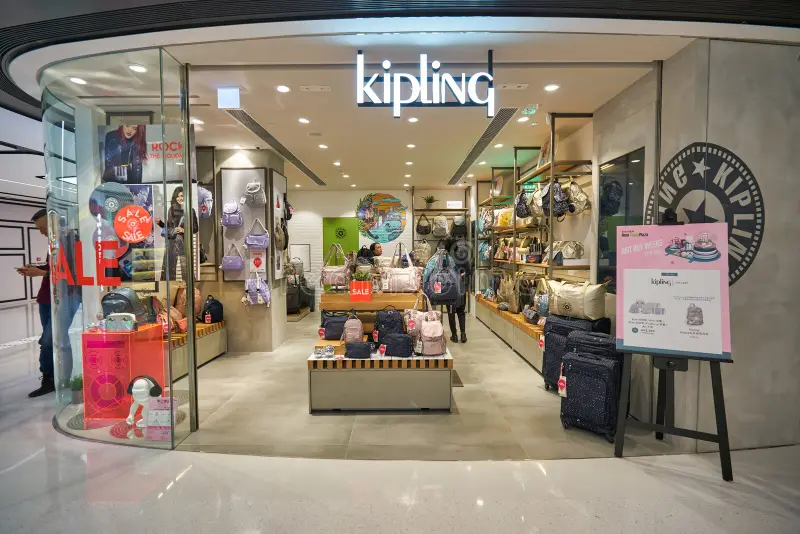
“Managers can reforecast weekly and flex schedules up or down based on real time traffic. That has been huge for keeping stores on target.” – Jaden Lumpa, Financial Analyst, Store Operations Team
Key Takeaways
Kipling increased Visit Value by 200 basis points by aligning labor to peak traffic windows.
Identified a $1M annualized revenue opportunity by properly staffing high impact weekend hours.
Reduced payroll by at least 2 percent compared to forecast, even during softer sales periods.
Enabled real time reforecasting so managers can adjust schedules weekly based on live trends.
Shifted from Sales Per Hour to Traffic per Labor Hour to better match staffing with customer demand.
Replaced manual spreadsheets with centralized reporting, giving instant visibility into performance and labor gaps.
Background
Kipling is a global lifestyle brand known for colorful, functional bags and accessories, operating hundreds of retail locations across diverse markets. Delivering a high-touch customer experience in smaller-format stores requires precision in how every labor hour is used.
Before StoreForce, Kipling relied on static monthly plans and spreadsheets. Labor decisions were often based on Sales Per Hour, with limited visibility into how traffic actually shifted throughout the week. This created common challenges: overstaffed weekdays, under-covered weekends, and non-selling tasks cutting into peak selling time.
By partnering with StoreForce, Kipling transformed labor from a fixed plan into a dynamic growth lever powered by real time data, traffic insights, and continuous reforecasting.
A 200 Basis Point Visit Value Jump and $1M Opportunity Uncovered by Fixing When Teams Worked
Kipling discovered that labor misalignment was directly limiting sales potential. By shifting focus from Sales Per Hour to Traffic per Labor Hour, they uncovered where customer demand was not being properly supported.
The impact was immediate and measurable. Stores improved Visit Value by 200 basis points simply by aligning staffing to peak traffic windows. Even more compelling, identifying and properly staffing peak weekend hours revealed a $1M annualized revenue opportunity across the business.
This was not about adding more labor. It was about placing the right people at the right time. By reallocating hours toward high-impact periods, Kipling unlocked growth that had been hidden in plain sight.
“Why are all my selling hours on a Tuesday when I need them on weekends?” That question became the turning point that reshaped their entire labor strategy.
Real Time Reforecasting Gave Stores Weekly Control Instead of Monthly Guesswork
With StoreForce, Kipling moved away from static schedules and into a live operating model. Managers now reforecast weekly based on actual sales and traffic trends, adjusting schedules before problems compound.
If traffic slows, shifts can be reduced to protect payroll. If demand spikes, coverage can be added instantly to protect conversion and service. This proactive approach replaced reactive decision making and turned scheduling into an ongoing performance lever.
The result is tighter alignment between labor and demand, stronger execution during peak hours, and more consistent performance across stores. Conversations shifted from explaining missed targets to actively managing them in real time.
Payroll Dropped 2% While Service Improved Because Every Hour Had a Purpose
One of the clearest outcomes of Kipling’s transformation was cost control without sacrificing experience. By adopting Traffic per Labor Hour as the core metric, staffing decisions became directly tied to customer flow rather than top-line sales alone.
This allowed teams to eliminate wasted hours during low-traffic periods while protecting coverage when it mattered most. Non-selling tasks were also moved into quieter windows, freeing up associates to focus on customers during peak times.
Even in a softer sales environment, Kipling reduced payroll by at least 2 percent compared to forecast. This was not achieved through cuts, but through smarter alignment of labor to real demand. Payroll became a controllable lever tied directly to performance.
In Kipling’s own words…
“Changing our payroll planning from SPH-focused to TPLH-focused allowed us to save at least 2 percent in payroll compared to forecast, even in a year with lower sales and traffic. Managers can clearly see when to flex shifts up or down based on real time traffic, ensuring the right coverage and cost control. More importantly, this changed how we think about labor entirely. Schedules are no longer static. They are strategic tools that help us drive better service, stronger performance, and smarter decisions across every store.” – Jaden Lumpa, Financial Analyst, Store Operations Team
Connect with StoreForce today
If you want the same visibility, payroll control, and revenue growth Kipling achieved, it is time to see StoreForce in action. Whether you are dealing with misaligned schedules, rising labor costs, or missed opportunities during peak hours, StoreForce gives you the tools to take control of your business. Join leading retailers using StoreForce to improve execution and unlock hidden revenue. Book a demo today and see what smarter labor planning can deliver for your business.

Retail Execution With StoreForce
Improving labor, tasks and overall execution is just a click away. Book a demo today and see what the right retail workfroce manageemnt software can do for your teams
Speak To A Retail Expert
More Success Stories
Read through more of our case studies to see what our customers have to say…