8 Proven Workforce Optimization Strategies in Retail
Discover 8 proven workforce optimization strategies to boost productivity, reduce costs, and improve employee performance across your organization.

Workforce optimization is one of the most important drivers of retail performance. Workforce optimization helps retailers control labor costs, improve scheduling accuracy, increase productivity, and create better employee and customer experiences. When workforce optimization is strong, stores run smoothly. When it is weak, labor budgets spiral and execution suffers.
Before we get into the strategies, let’s quickly cover the basics.
What Is Workforce Optimization?
Workforce optimization is the process of aligning staffing levels, employee schedules, and daily tasks with business demand. The goal is simple: put the right people in the right place at the right time while staying within labor budgets.
In retail, workforce optimization connects sales forecasts, traffic patterns, productivity targets, and scheduling decisions. It ensures that payroll dollars translate into measurable performance.
Why Workforce Optimization Matters in Retail
Labor is one of the largest controllable expenses in retail. Even small scheduling mistakes can reduce profit margins quickly.
Effective workforce optimization helps retailers:
Reduce labor overspending
Improve sales per labor hour
Increase schedule accuracy
Strengthen task execution
Improve employee engagement
When staffing aligns with demand, stores sell more and waste less.
Take control of your store performance
Book a demo with StoreForce today and run your retail operations better tomorrow.
Book A Demo
Key Workforce Optimization Metrics
To improve workforce optimization, you need to track the right metrics. The most common include:
Sales per labor hour
Labor cost as a percentage of sales
Overtime rates
Schedule adherence
Conversion rates
Task completion rates
These metrics show whether your workforce strategy is producing results or creating inefficiencies.
Now let’s move into the strategies that actually make a difference...
8 Proven Workforce Optimization Strategies
1. Forecasting Labor Based on Real Demand
Many retailers still schedule based on habit. Last year’s schedule becomes this year’s schedule.
Instead, use historical sales, traffic trends, promotions, and seasonality to build labor forecasts. Workforce optimization improves immediately when labor matches real demand instead of assumptions.
To make this actually work in practice, retailers need to go deeper than just looking at weekly sales totals. The best forecasts break demand down by day and even by hour. This is where real gains start to show up.
For example, if your data shows that traffic spikes between 1 PM and 4 PM on weekends, your schedule should reflect that with stronger floor coverage during those hours. If weekday mornings are slow, you can reduce staffing without hurting service.
It is also important to factor in upcoming events that can change demand quickly. Promotions, product launches, holidays, and local events can all shift traffic patterns. Retailers that plan for these moments ahead of time are far more prepared and avoid last minute scrambling.
Another key piece is continuously improving your forecast. Do not just set it and forget it. Compare your forecasted demand to what actually happened. If you were over or under, adjust your model so it gets more accurate over time.
When forecasting is done right, it leads to:
Better coverage during peak hours
Lower labor costs during slow periods
Less stress for managers trying to fix schedules last minute
A stronger customer experience because staff are available when needed
2. Aligning Labor Hours with Peak Selling Windows
It is not just about how many hours you schedule. It is about when those hours happen.
Once you have a clear demand forecast, the next step is to place those hours exactly where they will have the most impact. This means matching staffing levels to your busiest selling windows, not spreading hours evenly across the day.
Study hourly sales and traffic patterns to identify when your store is at its peak. Then schedule your strongest employees during those high value periods. These are the moments where great service and strong selling make the biggest difference.
During slower windows, reduce coverage to control labor costs without affecting the customer experience. Overstaffing during quiet periods is one of the most common ways retailers lose margin.
It is also important to think about role placement, not just headcount. Make sure you have the right mix of employees on the floor, including top sellers, experienced staff, and support roles, during peak times.
When labor hours are aligned with peak selling windows, retailers typically see:
Higher sales without adding more hours
Better customer service during busy periods
Improved sales per labor hour
Less wasted payroll during slow times
Forecasting tells you what is coming. Aligning labor hours is how you turn that insight into results.

3. Monitoring Sales Per Labor Hour Weekly
Sales per labor hour is one of the clearest workforce optimization indicators. It shows how much revenue your team is generating for every hour worked, which makes it a direct link between labor and performance.
Review this metric weekly by store, by department, and even by role if possible. This helps you spot where productivity is strong and where it is slipping. A single store or team falling behind can quickly impact overall results if it is not addressed.
If sales per labor hour drops, do not wait. Look at what changed. It could be overstaffing, weaker conversion, poor scheduling, or even external factors like lower traffic. The key is to identify the cause early and make adjustments before it becomes a larger issue.
If the number spikes, that is not always a win. A sharp increase can mean your team is stretched too thin. This often shows up alongside lower customer satisfaction, missed tasks, or long wait times. Strong productivity should never come at the expense of the customer experience.
To make this metric more useful, compare it alongside other data like:
Traffic levels
Conversion rates
Customer experience scores
Task completion rates
This gives you the full picture, not just a single number.
4. Setting Clear KPIs and Productivity Benchmarks
Managers need clear targets. Without benchmarks, labor planning becomes guesswork. Workforce optimization works best when everyone knows what success looks like.
Define a core set of KPIs tied to sales, labor, and task execution. This includes sales per labor hour, conversion rates, and task completion standards. Be clear on expectations, not just what is tracked but what good looks like.
Task management should be part of this. Set clear expectations for when tasks should be completed and how they are prioritized during the day. This ensures execution does not fall behind during busy periods.
Keep benchmarks simple, visible, and reviewed often. Clear targets create accountability and help managers make faster, better decisions.
5. Improving Task Management and Knowing Task Completion Percentages
Task management is a key part of workforce optimization. When tasks are scattered across paper, emails, and different systems, execution becomes inconsistent and hard to track.
A single workforce environment brings scheduling, tasks, and performance into one place. This gives managers full visibility into what needs to be done, who is responsible, and when it should be completed.
With everything connected, tasks can be assigned based on who is working and when. This ensures the right people are doing the right work at the right time, instead of tasks being missed or rushed at the end of a shift. It also makes accountability much clearer. Managers can quickly see what has been completed and what has not, without chasing updates. This helps keep stores on track every day.
When task management is built into your workforce system, retailers see:
More consistent execution across all locations
Better use of scheduled labor hours
Fewer missed or incomplete tasks
Less manual follow up for managers
6. Having Clear and Manageable Communication
Clear communication is essential for workforce optimization. When messages are missed or scattered across texts, emails, and chats, execution breaks down quickly.
A single, organized communication channel keeps everyone aligned. Managers can share priorities, updates, and daily goals in one place, so teams always know what is expected during their shift.
Communication should also be tied to tasks and schedules. When employees can see updates alongside their assigned work, there is less confusion and fewer missed steps.
It is just as important to keep communication simple. Too many messages create noise and make it harder for teams to focus. The goal is clear, timely updates that help employees take action, not sift through information.
When communication is clear and manageable, retailers see:
Better execution of daily priorities
Fewer mistakes and missed tasks
Faster response to changes in store conditions
More aligned and confident teams
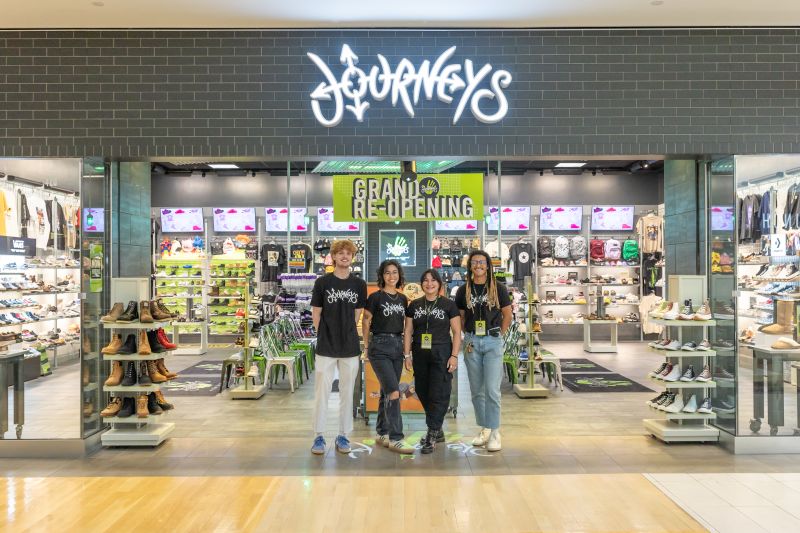
7. Standardizing Workforce Practices Across Locations
In multi-location retail, inconsistency leads to uneven results. Workforce optimization depends on every store following the same approach, not doing things their own way.
Standardize how you forecast labor, set productivity benchmarks, manage tasks, and report on performance. This creates a clear framework that every store can follow, regardless of size or location.
It is also important to standardize daily routines. This includes how schedules are built, how tasks are assigned, and how performance is reviewed. Consistent habits lead to more consistent results.
When all locations operate the same way, it becomes much easier to compare performance, spot issues, and share what is working. High performing stores set the standard others can follow.
Standardization helps retailers:
Create consistent execution across all stores
Compare performance with confidence
Identify gaps and fix them faster
Scale operations without added complexity
8. Using Real-Time Visibility, Not Static Reports
Retail is fast paced. Workforce optimization must be equally responsive.
Leaders need real-time dashboards showing labor spend, staffing coverage, and performance results. Waiting for monthly reports delays corrective action. Visibility drives faster decisions.
For example, if a store is trending 8 percent over its labor budget by Wednesday, but leadership does not see the data until the end of the month, the overspend continues for weeks with no correction. With real time visibility, a district manager can spot the issue mid-week, adjust upcoming shifts, reduce overtime, or rebalance coverage before payroll closes. In a fast-paced retail environment, small delays turn into large losses. Real-time dashboards allow leaders to react while there is still time to fix the problem.
Make Workforce Optimization Easier to Manage with StoreForce
Workforce optimization should give managers control, not complexity. When you forecast accurately, align labor to demand, monitor performance weekly, and keep all workforce data connected, stores operate more consistently and profitably.
StoreForce helps retail teams manage scheduling, task execution, and performance tracking in one organized platform. With real time visibility across every location, managers can make faster decisions and protect their labor budgets.
If you are ready to improve workforce optimization across your stores, book a demo with StoreForce today.

Retail Execution With StoreForce
Improving labor, tasks and overall execution is just a click away. Book a demo today and see what the right retail workfroce manageemnt software can do for your teams
Speak To A Retail Expert