5 Best Practices for Retail Store Operations to Run Seamlessly
In this guide, we'll look at the biggest operational challenges retailers face, practical ways to improve store performance, and the trends shaping the future of retail operations.
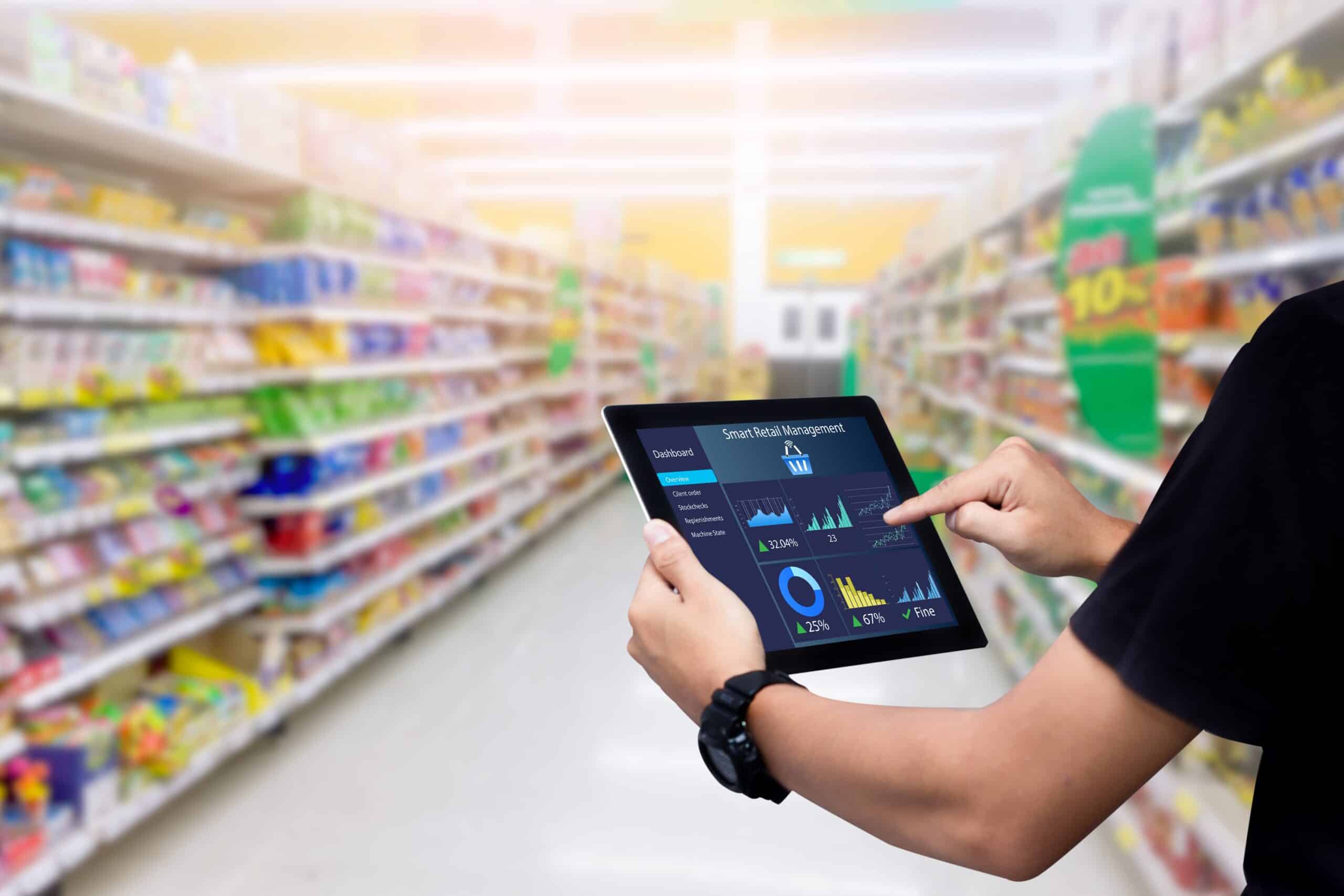
Retail store operations can make or break the success of a retail business. Even the best products, promotions and marketing campaigns can fall short if stores struggle with staffing issues, inconsistent execution, or poor visibility into performance.
Today's retail leaders face growing pressure to do more with less. Labor costs continue to rise, customer expectations are increasing, and store teams are expected to execute faster than ever. The challenge is not simply managing stores. It is creating operational consistency across every location while keeping employees engaged and customers satisfied.
The good news is that improving retail store operations does not require a complete overhaul. Often, small improvements to scheduling, communication, task management and performance tracking can have a major impact on results.
In this guide, we'll look at the biggest operational challenges retailers face, practical ways to improve store performance, and the trends shaping the future of retail operations.
What Are Retail Store Operations?
Retail store operations are the daily activities, processes and systems that keep stores running efficiently.
They include everything from workforce scheduling and inventory management to task execution, customer service, merchandising, and performance tracking.
The goal of retail store operations is simple: create a consistent customer experience while helping stores operate as efficiently and profitably as possible.
When operations are working well, employees know what needs to be done, managers have visibility into store performance, and customers enjoy a better shopping experience.
Take control of your store performance
Book a demo with StoreForce today and run your retail operations better tomorrow.
Book A Demo
Why Retail Operations Break Down
Most retailers do not struggle because they lack good ideas. They struggle because those ideas are not executed consistently across stores.
As businesses grow, operational complexity increases. Managers juggle schedules, employee requests, daily tasks, sales goals, merchandising updates, and customer service challenges all at once.
Common operational issues include:
Inconsistent execution between stores
Staffing shortages during busy periods
Poor communication between corporate and store teams
Limited visibility into store performance
Manual processes that consume manager time
Difficulty tracking accountability
Over time, these issues can lead to lower productivity, higher labor costs, and missed sales opportunities.
The Building Blocks of Strong Retail Store Operations
Retailers that consistently outperform their competitors typically focus on a few key operational areas.
Workforce Management
Employees are one of the largest expenses in retail, making workforce management a critical part of store operations.
Successful retailers align staffing levels with customer demand, ensuring stores have enough coverage during peak periods without overspending on labor.
Effective workforce management also helps reduce employee burnout and improve the overall customer experience.
Task Management and Execution
Every store has dozens of tasks that must be completed each day.
From promotional updates and merchandising changes to inventory counts and opening procedures, operational success depends on consistent execution.
Clear priorities, accountability, and visibility help ensure tasks are completed correctly and on time.
Customer Experience
Customer service remains one of the most important drivers of retail performance.
A well-run store creates an environment where employees can focus on serving customers rather than reacting to operational issues.
When stores are properly staffed and organized, customers receive faster service, better product knowledge, and a more positive shopping experience.
Performance Tracking
Retailers cannot improve what they do not measure.
Tracking store performance helps leaders identify trends, uncover opportunities, and address issues before they impact results.
Common retail metrics include:
Sales per labor hour
Conversion rate
Average transaction value
Labor costs
Employee productivity
Customer satisfaction scores
The most successful retailers use these metrics to make informed operational decisions instead of relying on assumptions.
5 Ways to Improve Retail Store Operations
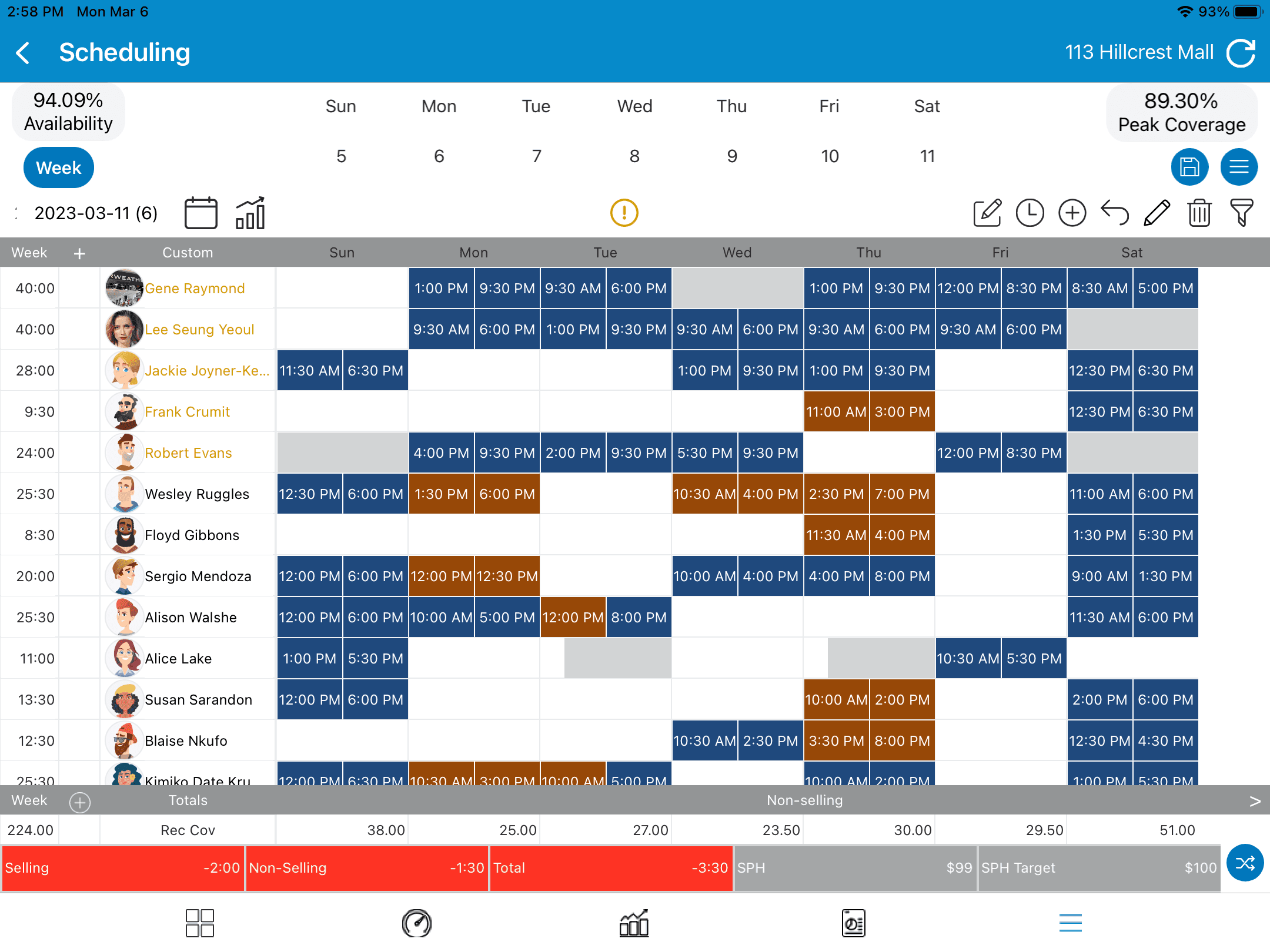
1. Schedule Labor Around Demand
Many retailers still build schedules based on manager intuition rather than actual business data.
A better approach is to align staffing levels with customer traffic, sales patterns, and peak shopping periods. Historical sales data, foot traffic trends, and seasonal fluctuations can all provide valuable insight into when additional coverage is needed and when staffing can be reduced.
When labor is aligned with demand, stores can improve customer service, reduce employee burnout, and control labor costs. Customers spend less time waiting for assistance, employees can focus on their responsibilities, and managers gain more confidence that their teams are prepared for busy periods.
2. Standardize Daily Store Execution
Consistency is one of the biggest challenges in retail operations.
What works well in one location may not happen in another unless clear processes are in place. Without established standards, stores can develop their own ways of completing tasks, leading to inconsistent customer experiences and uneven performance across locations.
Standardizing daily operations helps ensure every store follows the same expectations for merchandising, customer service, opening and closing procedures, inventory handling, and task completion. Clear guidelines make training easier, improve accountability, and create a more reliable experience for customers regardless of which location they visit.
3. Give Managers Better Visibility
Store managers make hundreds of decisions every week.
Without access to accurate information, many of those decisions become reactive rather than proactive. Issues such as staffing shortages, missed tasks, declining performance, or customer service concerns can go unnoticed until they begin affecting results.
Giving managers better visibility into store operations allows them to identify challenges earlier and respond more effectively. Access to performance metrics, labor data, and operational updates helps managers focus on the areas that need attention most while making more informed decisions throughout the day.
4. Track Performance Beyond Sales
Sales numbers only tell part of the story.
While revenue remains an important metric, it does not explain what is happening inside the store or why performance may be improving or declining. Focusing only on sales can cause retailers to overlook operational issues that influence long-term success.
Retailers should also monitor metrics such as employee productivity, labor efficiency, customer satisfaction, inventory accuracy, and task completion rates. Looking at performance from multiple angles provides a clearer understanding of store health and helps identify opportunities for improvement before they impact sales results.
5. Improve Communication Across Teams
Poor communication creates confusion, delays, and inconsistent execution.
Store teams need clear direction on priorities, promotions, operational updates, and company goals. When information is scattered across multiple channels or communicated inconsistently, important details can be missed and execution often suffers.
Strong communication helps keep everyone aligned and working toward the same objectives. Whether managing a single store or a large retail network, clear communication improves accountability, reduces misunderstandings, and helps ensure operational standards are followed consistently across the organization.
Future Trends in Retail Store Operations
Retail operations are changing quickly as technology becomes more integrated into daily store activities. At the same time, customer expectations continue to evolve, putting pressure on retailers to operate more efficiently while delivering a better in-store experience.
Several trends are expected to shape the future of retail operations over the next few years.
AI-Powered Workforce Planning
Artificial intelligence is helping retailers create smarter schedules based on traffic forecasts, sales trends, weather patterns, and historical performance data.
Instead of relying solely on manager experience or fixed scheduling templates, AI can analyze large amounts of data to predict when stores are likely to be busiest and recommend staffing levels accordingly. This helps retailers avoid overstaffing during slow periods while ensuring enough employees are available when demand increases.
As AI tools become more sophisticated, workforce planning is expected to become more accurate, helping retailers improve labor efficiency while maintaining strong customer service levels.
Real-Time Performance Visibility
Retail leaders increasingly expect immediate access to store performance data.
Instead of waiting for end-of-week reports, managers can now monitor sales, labor costs, productivity, and operational performance in real time. This allows them to identify issues as they happen and respond before they become larger problems.
Real-time visibility also helps district and regional leaders compare performance across locations, spot trends earlier, and make faster decisions. As retail becomes more data-driven, access to timely information will continue to play a larger role in daily operations.
More Connected Store Teams
Communication and collaboration tools are becoming a larger part of retail operations.
Many retailers manage dozens, hundreds, or even thousands of locations, making it increasingly important to keep store teams aligned on priorities, promotions, and operational updates. When communication is slow or inconsistent, execution often suffers.
New technologies are making it easier to share information, assign responsibilities, and keep teams connected regardless of location. As retail organizations continue to grow, stronger communication and collaboration will be essential for maintaining consistency across stores.
Greater Focus on Store Execution
Retailers are realizing that even the best strategies only deliver results when they are executed consistently at the store level.
Promotions, merchandising initiatives, inventory processes, and customer service standards all depend on successful execution by frontline teams. As a result, many retailers are placing greater emphasis on accountability, task completion, and operational consistency.
Expect to see continued investment in processes and tools that help managers track execution, monitor progress, and ensure important tasks are completed correctly and on time. Retailers that can consistently execute across all locations are often better positioned to improve customer experiences and overall performance.
How Technology Is Transforming Retail Operations
Modern retail operations depend on technology to help managers work more efficiently and make better decisions.
Retail operations platforms can help businesses:
Build smarter schedules
Track labor performance
Improve store execution
Monitor key performance metrics
Increase visibility across locations
Improve communication between teams
Rather than managing multiple disconnected systems, many retailers are moving toward unified platforms that bring scheduling, task management, and performance tracking together in one place.
This gives store managers more time to focus on coaching employees, improving customer experiences, and driving results.
Turning Retail Operations Into a Competitive Advantage
Strong retail store operations are not just about reducing costs or completing tasks. They create the foundation for better customer experiences, higher employee engagement, and stronger business performance.
Retailers that invest in operational consistency, workforce management, and performance visibility are often better equipped to adapt to changing customer expectations and market conditions.
Platforms like StoreForce help support these goals by bringing scheduling, task management, and performance insights together, giving retail leaders a clearer view of what is happening across every store.
For retailers looking to improve execution, increase productivity, and create more consistent results, retail operations remain one of the biggest opportunities for long-term growth.

See How StoreForce Can Work for Your Stores
See how StoreForce brings employee scheduling, labor optimization, task management, and store execution together in one retail workforce management platform. Book a demo today to see what StoreForce can do for your teams.
Speak To A Retail Expert


